

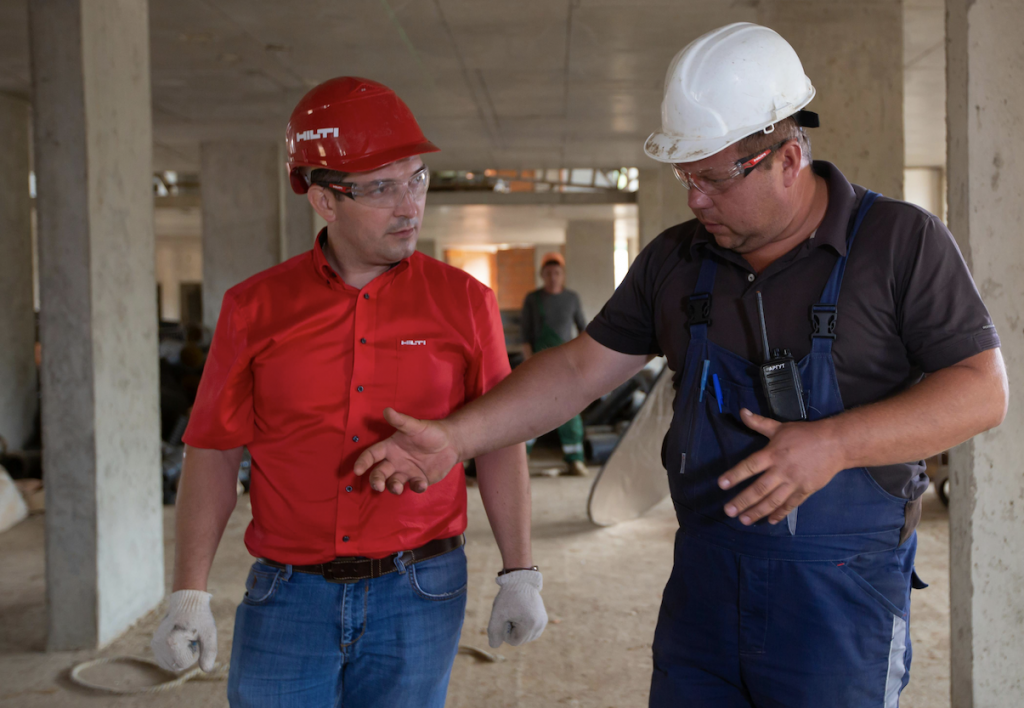
Occupational safety takes place at the workplace
A workplace inspection focused on occupational safety reveals whether risk assessments, training, and established safety measures are actually effective in practice.
Risk assessments, training sessions, and inspection reports are key components of an effective occupational safety and health program. However, it is often only on-site that it becomes clear whether the established measures actually work in practice.
That is why regular workplace inspections are among the key tools of occupational safety management. The Occupational Safety Act requires the occupational safety specialist to inspect workplaces at regular intervals, report any deficiencies found, propose measures to correct them, and work toward their implementation. However, there is no general legal requirement to do so “once a year.”
How often should a facility inspection be conducted?
The required frequency depends on the specific conditions at the workplace. Potential hazards, the size of the facility, the nature of the work, changes in operations, accident rates, and findings from previous inspections may necessitate more frequent inspections.
For many small and medium-sized businesses, an annual workplace inspection is a reasonable standard frequency. It provides a regular opportunity to review occupational safety and health measures with the employer to ensure they remain up to date. Additional inspections may be necessary in the event of specific hazards or significant changes in operations.
However, a general statutory one-year time limit should not be inferred from this: The ASiG deliberately refers to “regular intervals”.
More Than Just a Routine Inspection
A good workplace inspection is not merely a search for deficiencies. It is also a regular work and consultation session between the company and the occupational safety specialist.
It provides an opportunity to discuss changes that have occurred since the last meeting: Have workstations been reconfigured? Are there new machines or work equipment? Have tasks or work processes changed? Have new employees joined the workforce? Have there been any accidents or near-misses? Have responsibilities changed?
This makes the site inspection an important part of maintaining contact between the employer, managers, and the occupational safety specialist. Especially in smaller companies without regular occupational safety committee meetings, it provides a reliable personal point of contact for ongoing support.
In companies with an occupational safety and health committee, however, site inspections and the committee’s work can be effectively integrated. The current DGUV framework lists, among other things, providing direct, personal advice to the employer, participating in company meetings, and maintaining ongoing contact with management as part of the committee’s responsibilities.
The Site Inspection as a Regular “Occupational Safety Check”
In addition to the tour of the facility, the site visit should provide an opportunity to review the organizational aspects of occupational safety together:
Are the risk assessments up to date? Have the annual training sessions been conducted? Are there enough first aid responders and fire safety officers, and have they been properly trained? Which inspections of work equipment or technical systems are due? Is occupational health screening required? Which measures from the last site inspection are still pending?
A company-specific deadline tracker can help you discuss recurring tasks, reviews, and deadlines in a structured way and determine the next steps to take.
What is involved in a facility inspection?
Test Field | Typical topics covered during the site inspection |
|---|---|
Jobs and Workplaces | Workstation design, movement areas, lighting, indoor climate, ergonomics, spacing |
Traffic Routes and Pedestrian Paths | clear and safe walkways, tripping hazards, markings, stairs |
Emergency and Evacuation Routes | Clear Passage, Signage, Emergency Exits, Escape Routes, Emergency Evacuation Plans |
Fire protection | Fire extinguishers, fire doors, fire loads, fire safety assistants, evacuation procedures |
Risk of Falling | Stairs, landings, openings, roofs, loading ramps, edges where a fall could occur |
Tools and Machinery | Safe condition, safety devices, test marks, intended use |
Electrical Safety | Electrical equipment, visible damage, testing procedures |
Hazardous substances | Storage, labeling, operating instructions, safety data sheets, protective measures |
First Aid | First responders, first-aid supplies, signage, and reporting procedures |
Personal Protective Equipment | Requirements, Condition, Provision, and Actual Use |
Order and Cleanliness | Storage, obstructed walkways, tripping and slipping hazards |
Risk assessments | Current status, new activities or equipment, effectiveness of established measures |
Training Sessions | Implementation, Timeliness, Documentation, and Required Special Training |
Inspection and Maintenance Intervals | electrical equipment, ladders, gates, elevators, pressure systems, ventilation systems, etc., to the extent they are present at the facility |
Pending Actions | Status of measures resulting from previous inspections, accidents, or regulatory audits |
Best Practice: Site inspections should always be documented. A brief inspection report that includes the date, participants, findings, agreed-upon measures, responsibilities, and, if applicable, deadlines provides a clear record and allows for monitoring of implementation.
And what happens during an inspection by the BG or the labor inspectorate?
During facility inspections, state occupational safety and health authorities and inspectors from workers’ compensation insurance providers may review a company’s occupational safety and health management system and examine the necessary documentation. Typical areas of inspection include, in particular, hazard assessments, training, occupational health care, first aid, and the organization of safety supervision. An up-to-date inspection report serves as helpful evidence that occupational safety is not only formally organized but is also regularly reviewed in practice and continuously improved.
When was your last facility inspection?
Regular site inspections are an important part of effective occupational safety management. I can help you assess your company’s occupational safety practices on-site, identify changes, discuss pending actions, and keep track of recurring tasks and deadlines.